 Garrett DelfosseandClaude Opus 5.5
7cd1b2040b
- Experiment, behind `chat-projects` (off by default). First of three stacked PRs: #29301 (memory), #29583 (UI). This PR is API only; the screenshots below are from the UI in #29583. - CRUD under `/api/experimental/organizations/{organization}/chats/projects/{project}`. `GET /api/experimental/chats/projects` lists the caller's projects across all organizations. - `project_id` on chat create and as a chat list filter. A chat joins a project only at creation; there is no move. - Projects are identified by ID. Names are display labels (64 characters, description 1024) with no uniqueness constraint. An optional `icon` URL (usually an emoji image under `/emojis`) is capped at 256 characters and audited. - A user can own at most 100 projects across all organizations; creating another answers 409. Creates count and insert under a per-owner advisory lock so concurrent requests cannot overshoot. - Projects are private to their `owner_id`. Members may only create their own, and a chat can only be bound to a project its owner owns. An unreadable or foreign project on chat create answers 404 so IDs cannot be probed; a project from another organization answers 400. - Permissions ride on the `agents-access` role next to chats (after #30004), so whoever can use Coder Agents can use projects. Owners and org admins reach every project. ### Examples Create a project in an organization: ```http POST /api/experimental/organizations/{organization}/chats/projects {"name": "Platform", "description": "Infra and deploy work", "icon": "/emojis/1f680.png"} ``` ```json { "id": "7c0e4a3e-5b1f-4f7d-9a51-2f3c8f6d2b10", "organization_id": "bb640d07-ca8a-4869-b6bc-ae61ebb2fda1", "owner_id": "0ed9befc-4911-4ccf-a8e2-559bf72daa94", "name": "Platform", "description": "Infra and deploy work", "icon": "/emojis/1f680.png", "created_at": "2026-09-30T15:04:05Z", "updated_at": "2026-09-30T15:04:05Z" } ``` List the caller's projects across organizations with `GET /api/experimental/chats/projects` (an array of the object above). Update with `PATCH .../chats/projects/{project}` and any of `name`, `description`, `icon`; delete with `DELETE`, which detaches its chats. Create a chat in the project, and list only its chats: ```http POST /api/v2/chats {"organization_id": "bb640d07-…", "project_id": "7c0e4a3e-…", "content": [{"type": "text", "text": "Plan the deploy"}]} GET /api/v2/chats?project_id=7c0e4a3e-… ``` At the limit: ```json 409 {"message": "You can have at most 100 chat projects. Delete a project to create another."} ``` <details> <summary>Screenshots (UI from #29583)</summary> 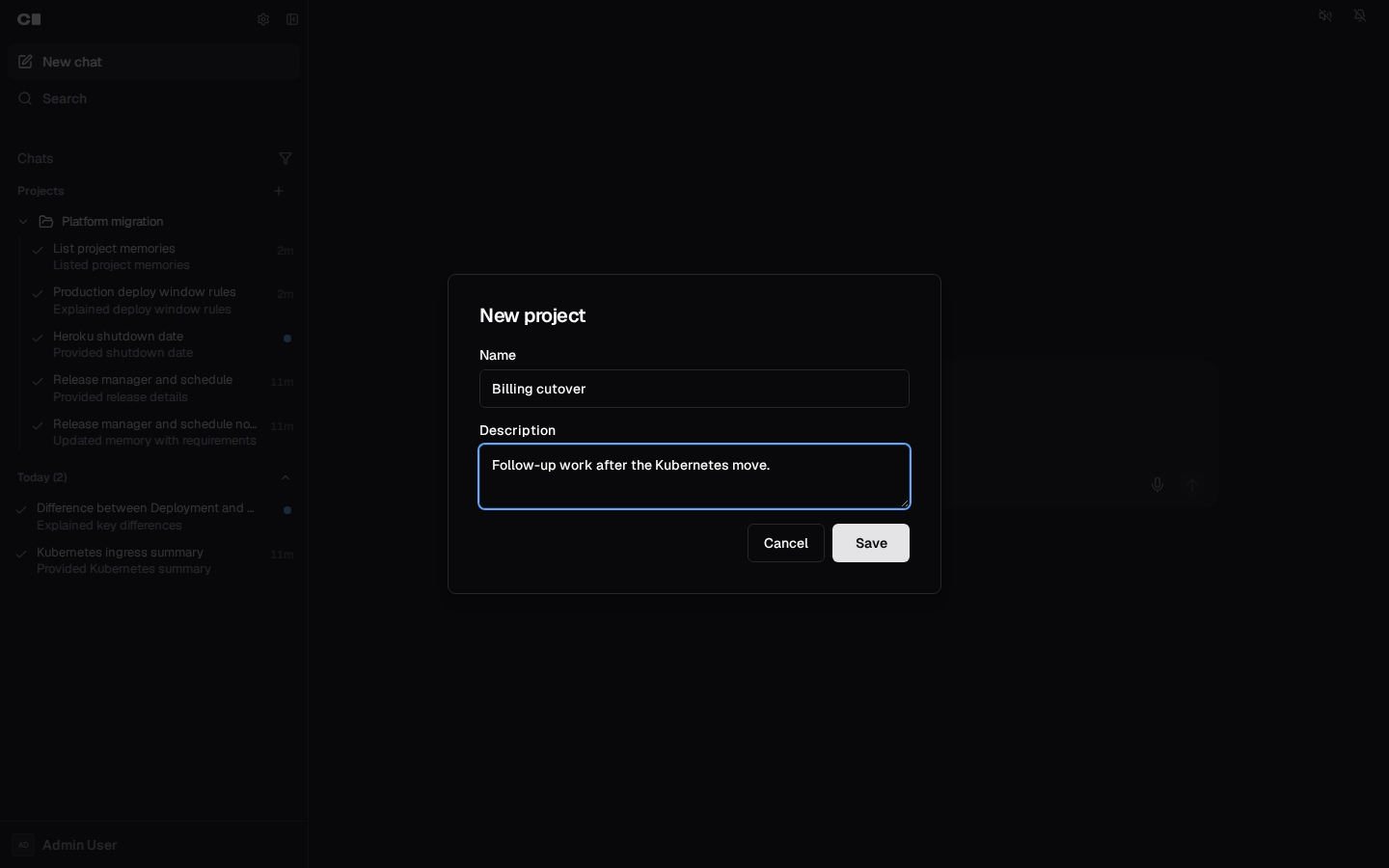 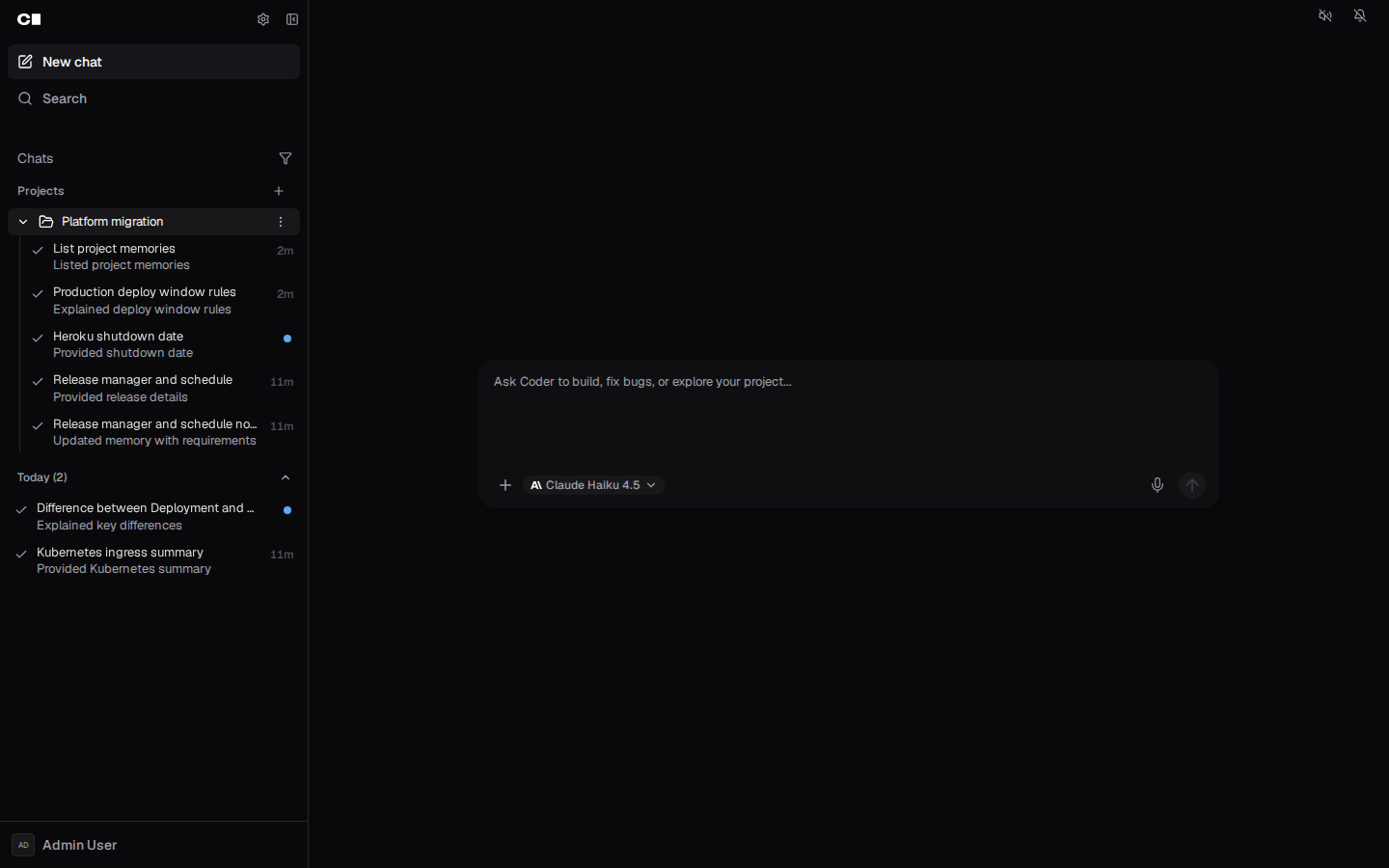 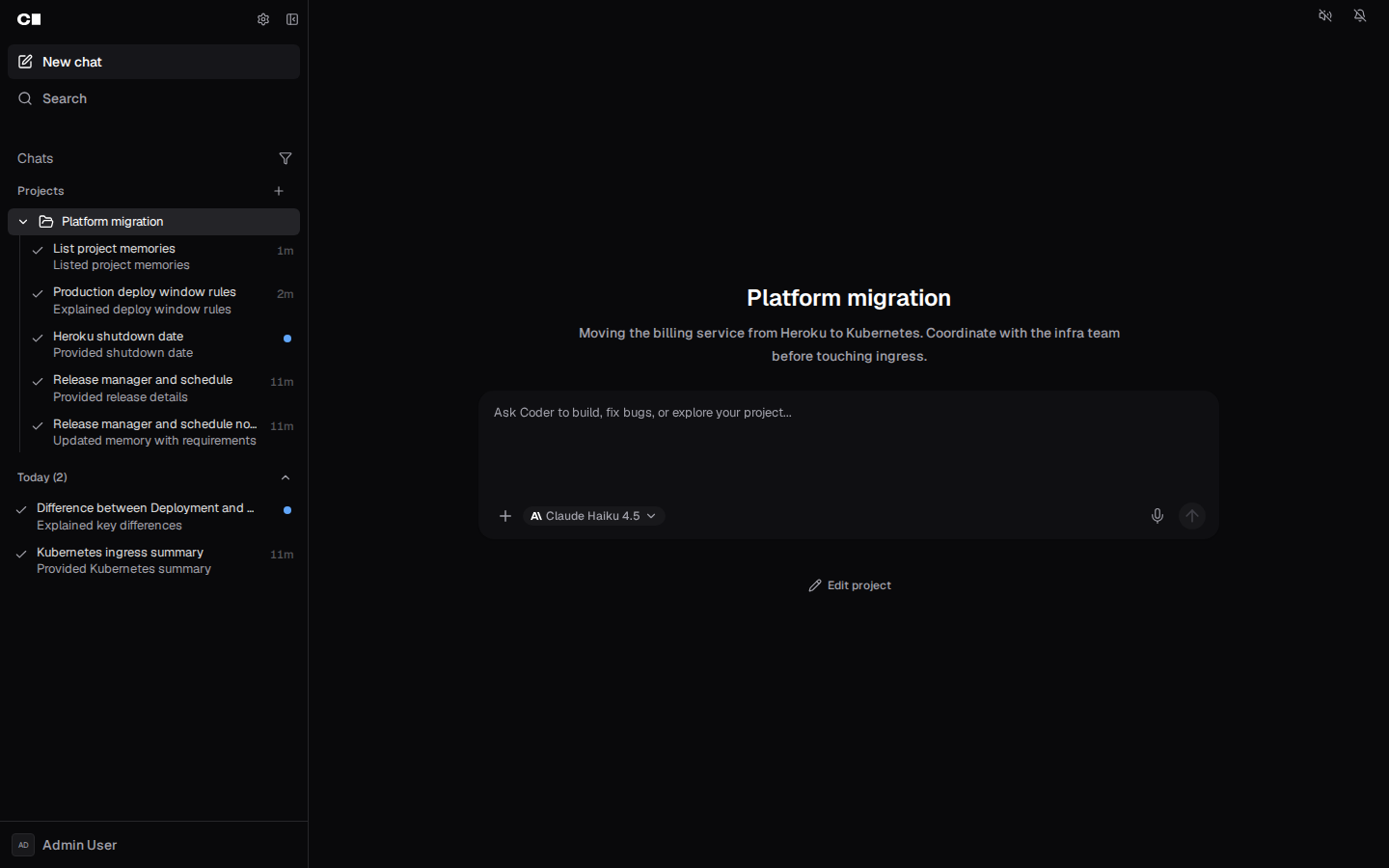 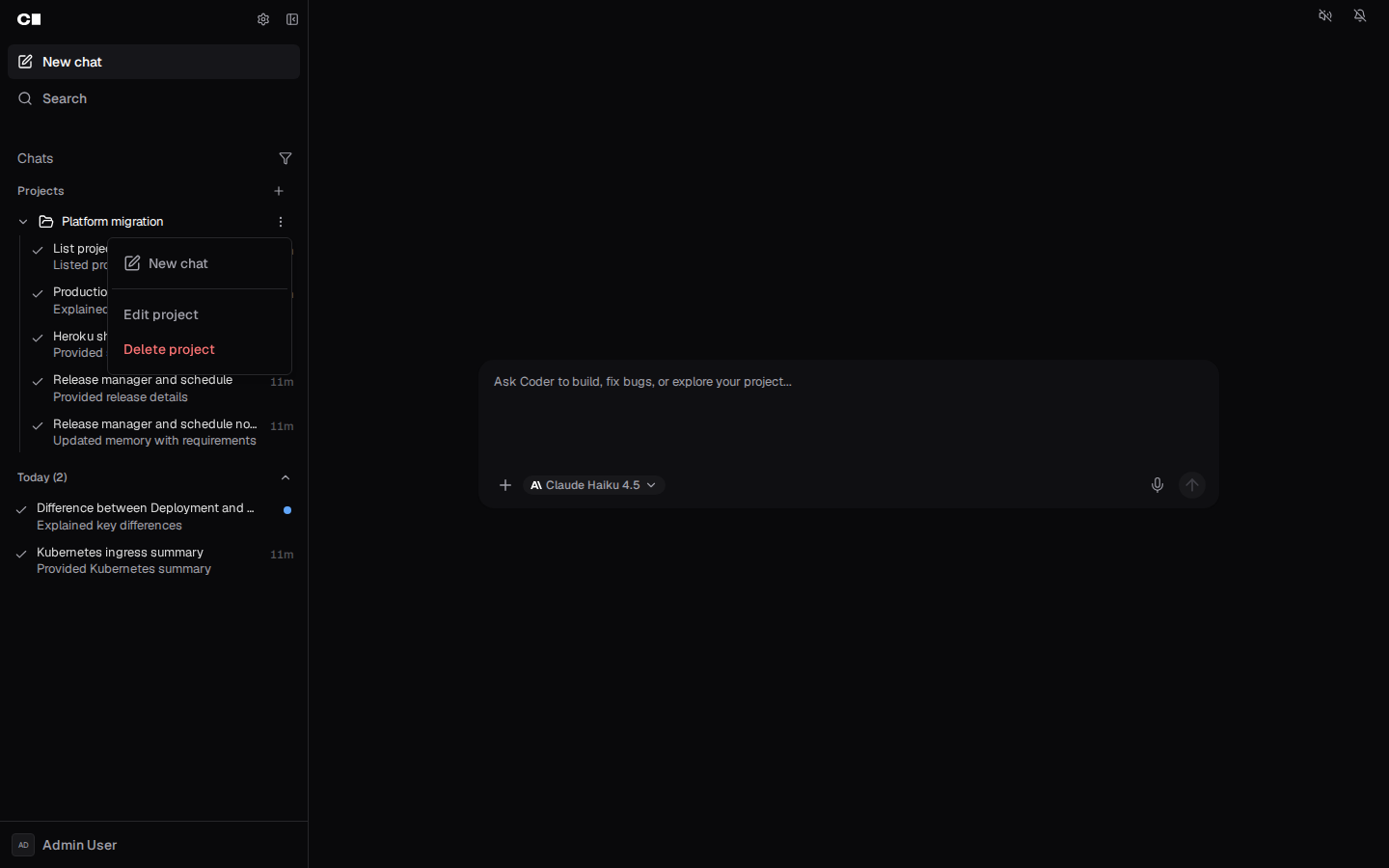 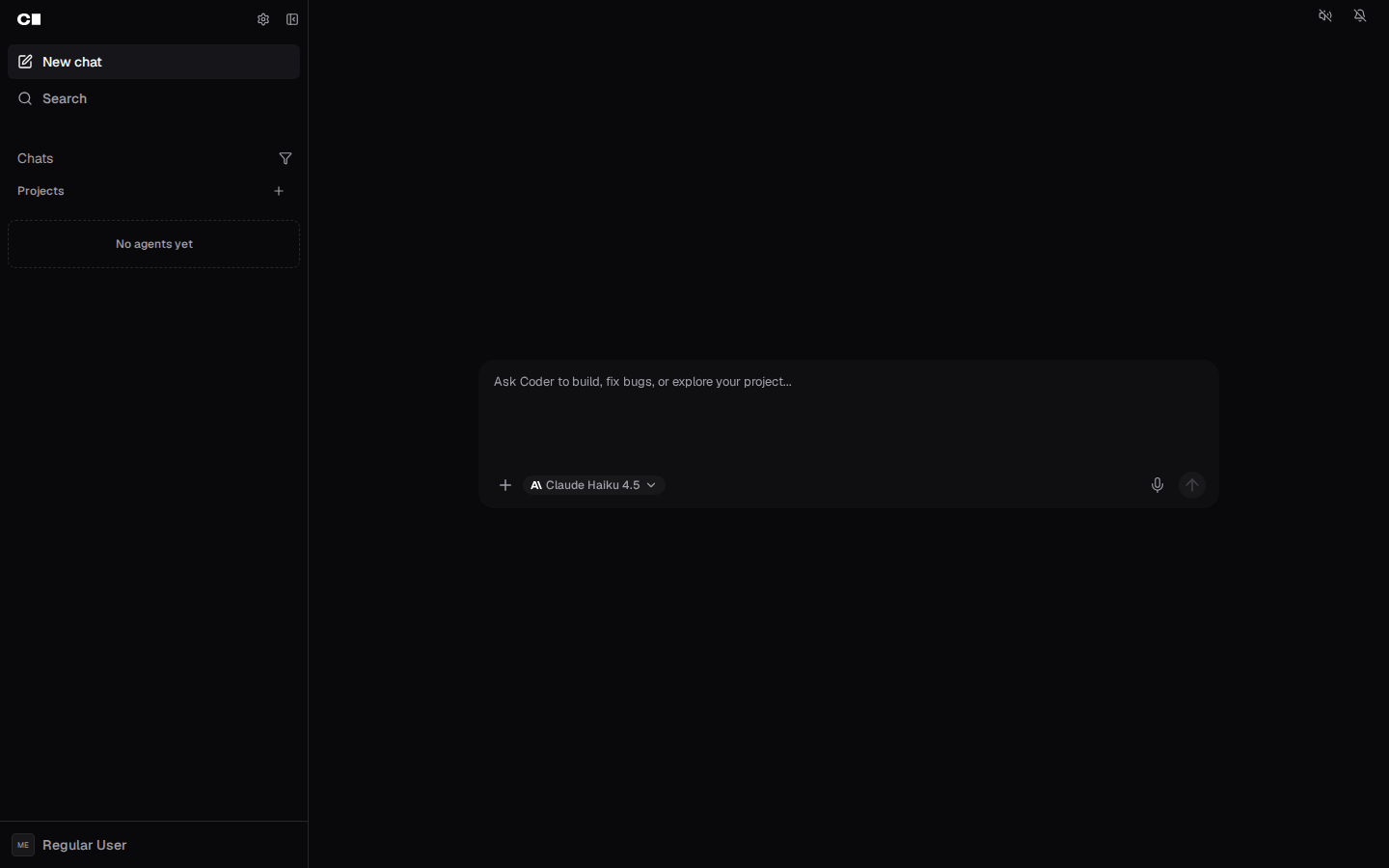 </details> --- Generated with Coder Agents on behalf of @f0ssel. --------- Co-authored-by: Claude Opus 5.5 (1M context) <noreply@anthropic.com>





85 lines
2.3 KiB
Go
85 lines
2.3 KiB
Go
package audit
|
|
|
|
import (
|
|
"github.com/coder/coder/v2/coderd/database"
|
|
"github.com/coder/coder/v2/coderd/idpsync"
|
|
)
|
|
|
|
// Auditable is mostly a marker interface. It contains a definitive list of all
|
|
// auditable types. If you want to audit a new type, first define it in
|
|
// AuditableResources, then add it to this interface.
|
|
type Auditable interface {
|
|
database.APIKey |
|
|
database.Template |
|
|
database.TemplateVersion |
|
|
database.User |
|
|
database.WorkspaceTable |
|
|
database.GitSSHKey |
|
|
database.WorkspaceBuild |
|
|
database.AuditableGroup |
|
|
database.License |
|
|
database.WorkspaceProxy |
|
|
database.AuditOAuthConvertState |
|
|
database.HealthSettings |
|
|
database.NotificationsSettings |
|
|
database.OAuth2ProviderApp |
|
|
database.OAuth2ProviderAppSecret |
|
|
database.PrebuildsSettings |
|
|
database.OAuth2ProviderSettings |
|
|
database.CustomRole |
|
|
database.AuditableOrganizationMember |
|
|
database.Organization |
|
|
database.NotificationTemplate |
|
|
idpsync.OrganizationSyncSettings |
|
|
idpsync.GroupSyncSettings |
|
|
idpsync.RoleSyncSettings |
|
|
database.AISeatState |
|
|
database.AIProvider |
|
|
database.AIProviderKey |
|
|
database.AIGatewayKey |
|
|
database.Chat |
|
|
database.ChatProject |
|
|
database.ChatModelConfig |
|
|
database.MCPServerConfig |
|
|
database.AuditableGroupAIBudget |
|
|
database.AuditableUserAIBudgetOverride |
|
|
database.UserSecret |
|
|
database.UserSkill |
|
|
database.ChatInstructionSettings |
|
|
database.ChatOperationalSettings |
|
|
database.ExperimentRule
|
|
}
|
|
|
|
// Map is a map of changed fields in an audited resource. It maps field names to
|
|
// the old and new value for that field.
|
|
type Map map[string]OldNew
|
|
|
|
// OldNew is a pair of values representing the old value and the new value.
|
|
type OldNew struct {
|
|
Old any
|
|
New any
|
|
Secret bool
|
|
}
|
|
|
|
// Empty returns a default value of type T.
|
|
func Empty[T Auditable]() T {
|
|
var t T
|
|
return t
|
|
}
|
|
|
|
// Diff compares two auditable resources and produces a Map of the changed
|
|
// values.
|
|
func Diff[T Auditable](a Auditor, left, right T) Map { return a.diff(left, right) }
|
|
|
|
// Differ is used so the enterprise version can implement the diff function in
|
|
// the Auditor feature interface. Only types in the same package as the
|
|
// interface can implement unexported methods.
|
|
type Differ struct {
|
|
DiffFn func(old, newVal any) Map
|
|
}
|
|
|
|
//nolint:unused
|
|
func (d Differ) diff(old, newVal any) Map {
|
|
return d.DiffFn(old, newVal)
|
|
}
|