 Garrett DelfosseandClaude Opus 5.5
a08ba6a70c
- Experiment, stacked on #29242. UI is in #29583. - Adds **project memory**: `chat_project_memories` rows with a name (lowercase slug, unique per project), a one-line description (150 characters) and a body (8KB). Up to 200 per project, shared by every root chat in the project. Chats outside a project and subagents have no memory. - Memories are immutable: they are created and deleted, never edited. Agent tools are `read_memory`, `save_memory`, `delete_memory` and `consolidate_memory`. Saving an existing name fails and points the agent at `consolidate_memory` to replace it. - **Consolidation is agent-driven, in the turn**, modeled on how Claude Code compacts its memory index when warned it is near its limit. From 160 memories (80%), save results ask the agent to get under 140 (70%) with `consolidate_memory`, choosing what to merge and drop. That tool deletes and saves memories in one transaction under the per-project advisory lock, and rolls back entirely if a delete is missing, a name is taken, or the result exceeds 200. There is no background extraction or consolidation. - **The memory index reaches the model as model-only conversation messages**, not in a tool description or the system prompt. At turn start the chat gets a full `<project-memory-index>` snapshot when its prompt has none (first turn, or after compaction), otherwise a `<project-memory-index-update>` listing only what changed. Tool definitions and the system prompt carry no memory state, so memory writes never invalidate the provider's cached prompt prefix. Writes by other chats, or by this chat mid-turn, reach the model at its next turn. - REST API (create, list, get, delete) under `/api/experimental/organizations/{organization}/chats/projects/{project}/memories`. Memory permissions follow projects onto the `agents-access` role. - **Every memory change is audited** as `ChatProjectMemory` create or delete. REST changes are attributed to the caller. Tool changes (`save_memory`, `delete_memory`, `consolidate_memory`) are attributed to the chat owner, carry the `chat_id`, and record one entry per memory after the change commits, so a rolled-back consolidation records nothing. ### Examples **What the model sees.** The system prompt gets a fixed guidance block with no memory state: ```text <memory> Memory is durable context shared by every chat in the project "platform". Save facts that will matter in future chats: … The memory index is in the conversation: a <project-memory-index> message lists every saved memory, and <project-memory-index-update> messages at the start of later turns list what changed. Changes made during a turn, including your own, appear in the next turn's update. … Memories cannot be edited: replace one that no longer holds with consolidate_memory, or delete it. </memory> ``` On the first turn, after the user's message, the chat gets a model-only row with the full index (hidden in the UI): ```text <project-memory-index> - deploy-day: Deploys happen on Tuesdays - release-owner: Alice owns releases; ping her before tagging </project-memory-index> ``` On a later turn where memories changed, it gets only the difference: ```text <project-memory-index-update> Added or changed: - deploy-day: Deploys happen on Wednesdays (changed 2026-09-30) - staging-url: Staging lives at staging.example.com Removed: - old-ci-notes </project-memory-index-update> ``` Resulting request layout, with the provider's cached prefix unchanged by memory writes: ```text [tools: fixed] [system: fixed <memory> guidance] [turn 1 user] [index snapshot] [assistant/tools …] [turn 2 user] [index update] [assistant …] ``` **Tool calls and results** (produced by the tools in this PR): ```text save_memory {"name":"staging-url","description":"Staging lives at staging.example.com","body":"Staging is https://staging.example.com; deploys from main."} → {"count":3,"saved":"staging-url"} save_memory {"name":"deploy-day", …} // name already exists → error: a memory named "deploy-day" already exists; read it, then replace it with consolidate_memory by deleting "deploy-day" and saving the new version in one call consolidate_memory {"delete":["deploy-day"],"save":[{"name":"deploy-day","description":"Deploys happen on Wednesdays (changed 2026-09-30)","body":"The team deploys every Wednesday since 2026-09-30."}]} → {"count":3,"deleted":["deploy-day"],"saved":["deploy-day"]} read_memory {"name":"deploy-day"} → {"name":"deploy-day","description":"…","body":"…","created_at":"2026-09-30T15:04:05Z","created_by":"alice"} ``` Near and at the cap: ```text save_memory … → {"count":160,"saved":"one-more","warning":"memory is 160/200, approaching the limit. Consolidate it to under 140 memories now with consolidate_memory: merge overlapping memories into one, and drop stale, wrong, or superseded ones."} save_memory … → error: memory is full (200/200); use consolidate_memory to merge overlapping memories and drop stale ones, and include this memory in its save list ``` **REST memory object** (`GET .../chats/projects/{project}/memories`): ```json { "id": "59500000-0000-4000-8000-000000000001", "project_id": "7c0e4a3e-5b1f-4f7d-9a51-2f3c8f6d2b10", "organization_id": "bb640d07-ca8a-4869-b6bc-ae61ebb2fda1", "name": "deploy-day", "description": "Deploys happen on Wednesdays (changed 2026-09-30)", "body": "The team deploys every Wednesday since 2026-09-30.", "created_by": "0ed9befc-4911-4ccf-a8e2-559bf72daa94", "created_by_username": "alice", "created_at": "2026-09-30T15:04:05Z" } ``` Create takes `{"name", "description", "body"}` and answers 409 on a duplicate name or at the cap. <details> <summary>Screenshots (predate the immutable-memory rework; tool output shape has since changed)</summary> 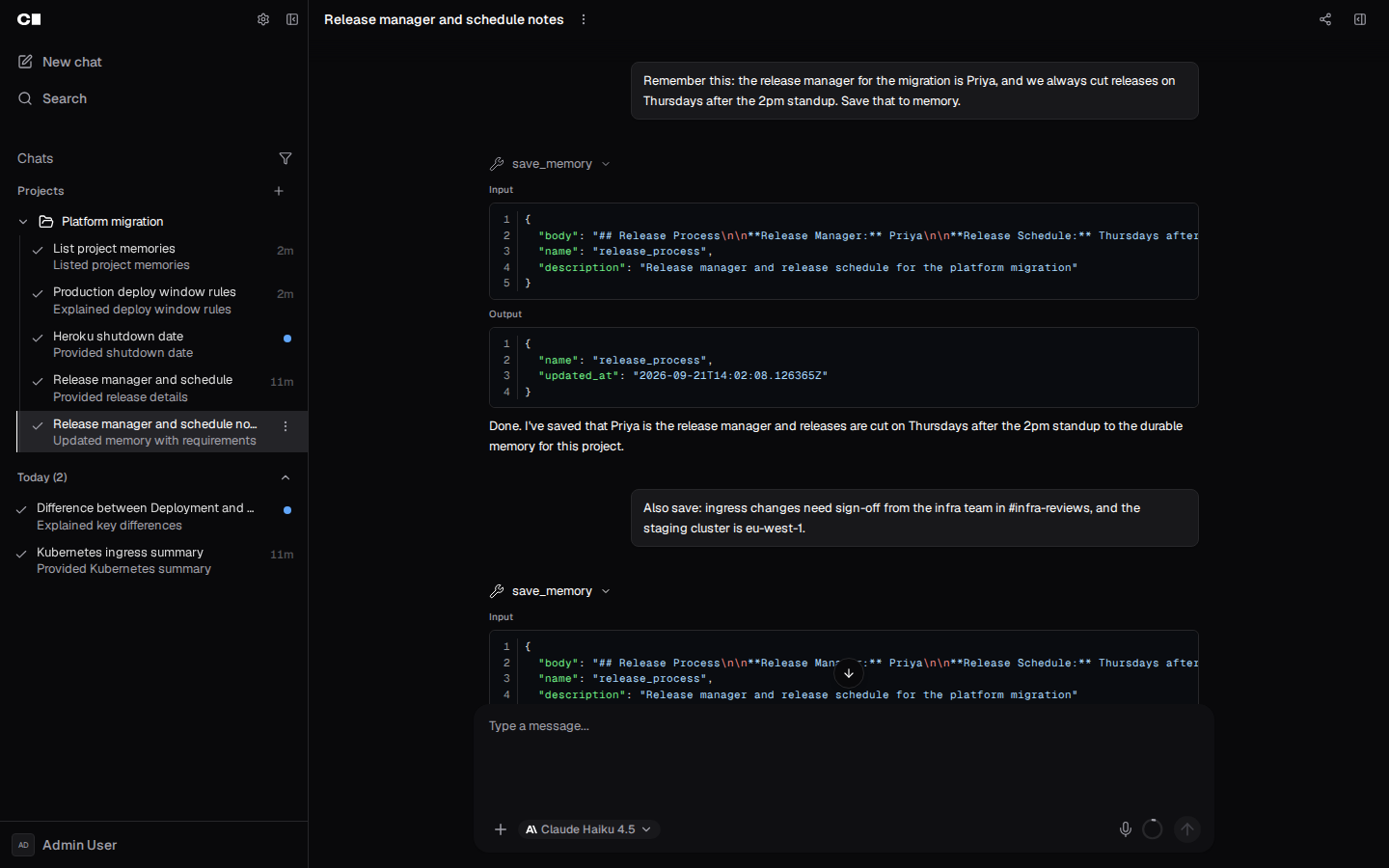 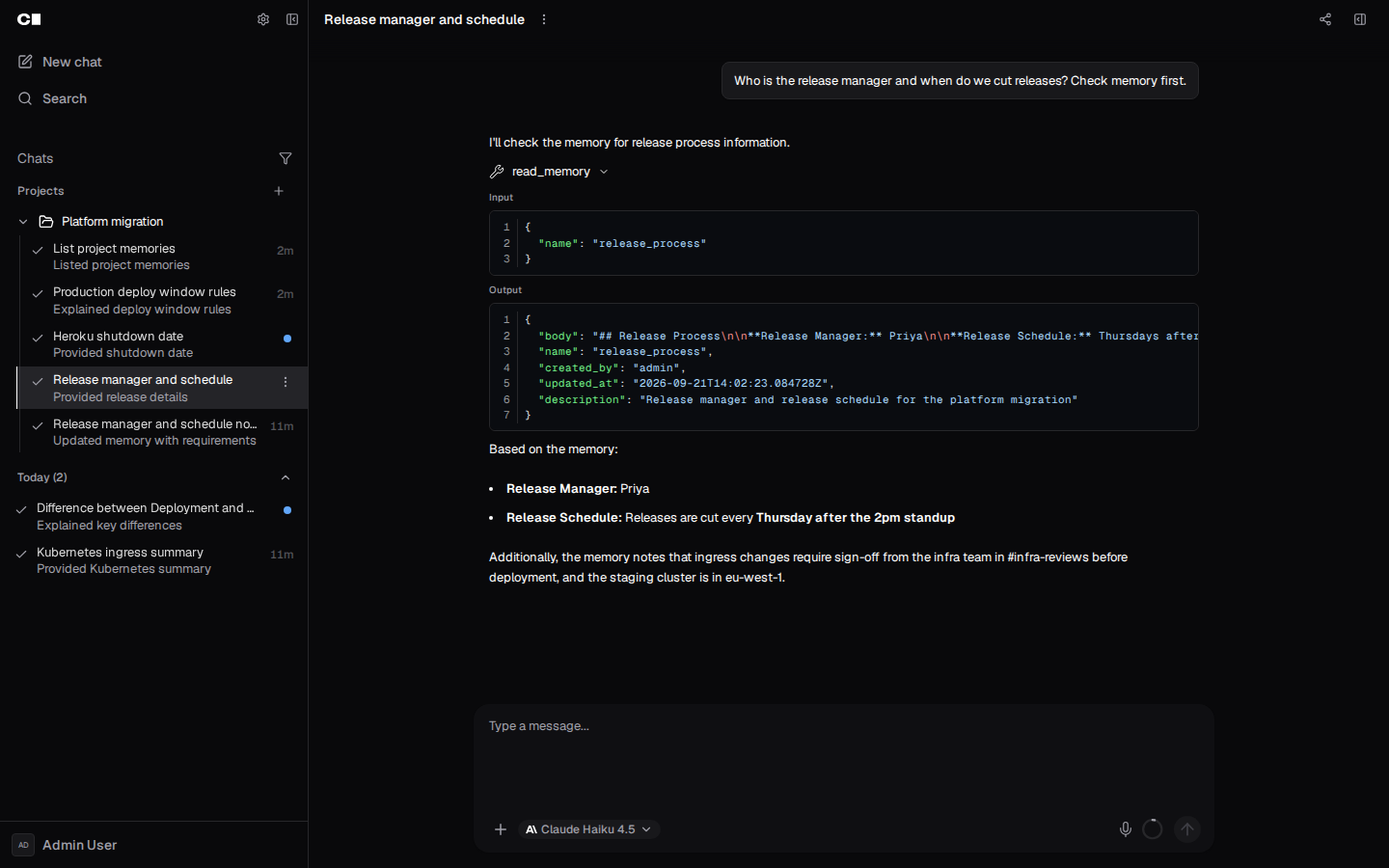 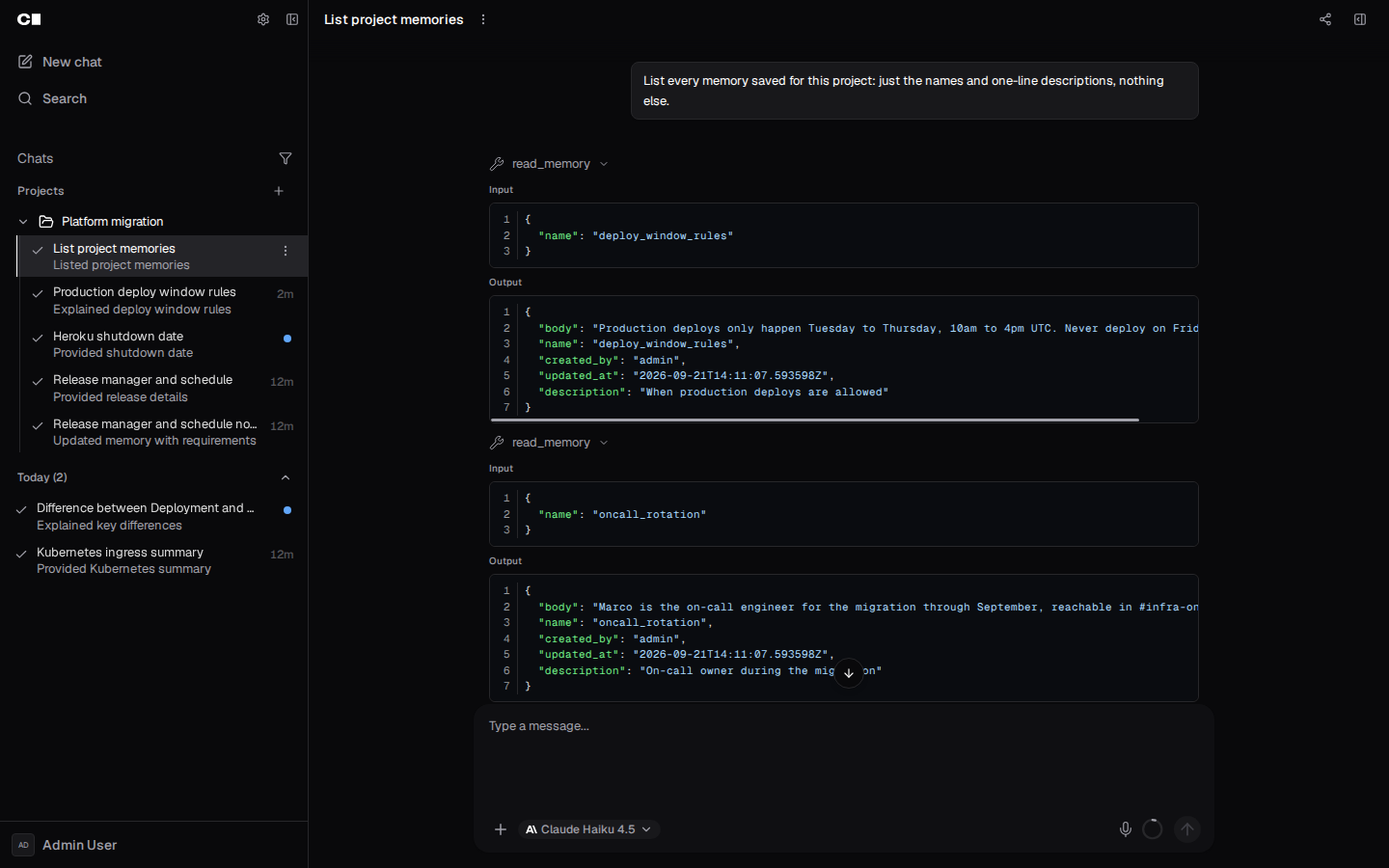 </details> --- Generated with Coder Agents on behalf of @f0ssel. --------- Co-authored-by: Claude Opus 5.5 (1M context) <noreply@anthropic.com>



1059 lines
33 KiB
Go
1059 lines
33 KiB
Go
package database
|
|
|
|
import (
|
|
"database/sql"
|
|
"fmt"
|
|
"slices"
|
|
"sort"
|
|
"strconv"
|
|
"strings"
|
|
"time"
|
|
|
|
"github.com/google/uuid"
|
|
"github.com/sqlc-dev/pqtype"
|
|
"golang.org/x/exp/maps"
|
|
"golang.org/x/oauth2"
|
|
"golang.org/x/xerrors"
|
|
|
|
"github.com/coder/coder/v2/coderd/rbac"
|
|
"github.com/coder/coder/v2/coderd/rbac/policy"
|
|
"github.com/coder/coder/v2/coderd/util/slice"
|
|
)
|
|
|
|
type WorkspaceStatus string
|
|
|
|
const (
|
|
WorkspaceStatusPending WorkspaceStatus = "pending"
|
|
WorkspaceStatusStarting WorkspaceStatus = "starting"
|
|
WorkspaceStatusRunning WorkspaceStatus = "running"
|
|
WorkspaceStatusStopping WorkspaceStatus = "stopping"
|
|
WorkspaceStatusStopped WorkspaceStatus = "stopped"
|
|
WorkspaceStatusFailed WorkspaceStatus = "failed"
|
|
WorkspaceStatusCanceling WorkspaceStatus = "canceling"
|
|
WorkspaceStatusCanceled WorkspaceStatus = "canceled"
|
|
WorkspaceStatusDeleting WorkspaceStatus = "deleting"
|
|
WorkspaceStatusDeleted WorkspaceStatus = "deleted"
|
|
)
|
|
|
|
func (s WorkspaceStatus) Valid() bool {
|
|
switch s {
|
|
case WorkspaceStatusPending, WorkspaceStatusStarting, WorkspaceStatusRunning,
|
|
WorkspaceStatusStopping, WorkspaceStatusStopped, WorkspaceStatusFailed,
|
|
WorkspaceStatusCanceling, WorkspaceStatusCanceled, WorkspaceStatusDeleting,
|
|
WorkspaceStatusDeleted:
|
|
return true
|
|
default:
|
|
return false
|
|
}
|
|
}
|
|
|
|
type WorkspaceAgentStatus string
|
|
|
|
// This is also in codersdk/workspaceagents.go and should be kept in sync.
|
|
const (
|
|
WorkspaceAgentStatusConnecting WorkspaceAgentStatus = "connecting"
|
|
WorkspaceAgentStatusConnected WorkspaceAgentStatus = "connected"
|
|
WorkspaceAgentStatusDisconnected WorkspaceAgentStatus = "disconnected"
|
|
WorkspaceAgentStatusTimeout WorkspaceAgentStatus = "timeout"
|
|
)
|
|
|
|
func (s WorkspaceAgentStatus) Valid() bool {
|
|
switch s {
|
|
case WorkspaceAgentStatusConnecting, WorkspaceAgentStatusConnected,
|
|
WorkspaceAgentStatusDisconnected, WorkspaceAgentStatusTimeout:
|
|
return true
|
|
default:
|
|
return false
|
|
}
|
|
}
|
|
|
|
type AuditableOrganizationMember struct {
|
|
OrganizationMember
|
|
Username string `json:"username"`
|
|
}
|
|
|
|
func (m OrganizationMember) Auditable(username string) AuditableOrganizationMember {
|
|
return AuditableOrganizationMember{
|
|
OrganizationMember: m,
|
|
Username: username,
|
|
}
|
|
}
|
|
|
|
type AuditableGroup struct {
|
|
Group
|
|
Members []GroupMemberTable `json:"members"`
|
|
}
|
|
|
|
// AuditableGroupAIBudget is the audit-log representation of GroupAIBudget.
|
|
// It enriches the raw record with the group's name and a human-readable
|
|
// spend limit so audit entries can display meaningful values instead of
|
|
// UUIDs and micros.
|
|
type AuditableGroupAIBudget struct {
|
|
GroupAIBudget
|
|
GroupName string `json:"group_name"`
|
|
SpendLimit string `json:"spend_limit"`
|
|
}
|
|
|
|
func (b GroupAIBudget) Auditable(groupName string) AuditableGroupAIBudget {
|
|
return AuditableGroupAIBudget{
|
|
GroupAIBudget: b,
|
|
GroupName: groupName,
|
|
SpendLimit: fmt.Sprintf("$%.2f", float64(b.SpendLimitMicros)/1_000_000),
|
|
}
|
|
}
|
|
|
|
// AuditableUserAIBudgetOverride is the audit-log representation of
|
|
// UserAIBudgetOverride. It enriches the raw record with the username, the
|
|
// attributed group's name, and a human-readable spend limit so audit
|
|
// entries can display meaningful values instead of UUIDs and micros.
|
|
type AuditableUserAIBudgetOverride struct {
|
|
UserAIBudgetOverride
|
|
Username string `json:"username"`
|
|
GroupName string `json:"group_name"`
|
|
SpendLimit string `json:"spend_limit"`
|
|
}
|
|
|
|
func (o UserAIBudgetOverride) Auditable(username, groupName string) AuditableUserAIBudgetOverride {
|
|
return AuditableUserAIBudgetOverride{
|
|
UserAIBudgetOverride: o,
|
|
Username: username,
|
|
GroupName: groupName,
|
|
SpendLimit: fmt.Sprintf("$%.2f", float64(o.SpendLimitMicros)/1_000_000),
|
|
}
|
|
}
|
|
|
|
// Auditable returns an object that can be used in audit logs.
|
|
// Covers both group and group member changes.
|
|
func (g Group) Auditable(members []GroupMember) AuditableGroup {
|
|
membersTable := make([]GroupMemberTable, len(members))
|
|
for i, member := range members {
|
|
membersTable[i] = GroupMemberTable{
|
|
UserID: member.UserID,
|
|
GroupID: member.GroupID,
|
|
}
|
|
}
|
|
|
|
// consistent ordering
|
|
sort.Slice(members, func(i, j int) bool {
|
|
return members[i].UserID.String() < members[j].UserID.String()
|
|
})
|
|
|
|
return AuditableGroup{
|
|
Group: g,
|
|
Members: membersTable,
|
|
}
|
|
}
|
|
|
|
const EveryoneGroup = "Everyone"
|
|
|
|
func (w GetAuditLogsOffsetRow) RBACObject() rbac.Object {
|
|
return w.AuditLog.RBACObject()
|
|
}
|
|
|
|
func (w AuditLog) RBACObject() rbac.Object {
|
|
obj := rbac.ResourceAuditLog.WithID(w.ID)
|
|
if w.OrganizationID != uuid.Nil {
|
|
obj = obj.InOrg(w.OrganizationID)
|
|
}
|
|
|
|
return obj
|
|
}
|
|
|
|
func (w GetConnectionLogsOffsetRow) RBACObject() rbac.Object {
|
|
return w.ConnectionLog.RBACObject()
|
|
}
|
|
|
|
func (w ConnectionLog) RBACObject() rbac.Object {
|
|
obj := rbac.ResourceConnectionLog.WithID(w.ID)
|
|
if w.OrganizationID != uuid.Nil {
|
|
obj = obj.InOrg(w.OrganizationID)
|
|
}
|
|
|
|
return obj
|
|
}
|
|
|
|
func (p ChatProject) RBACObject() rbac.Object {
|
|
return rbac.ResourceChatProject.WithID(p.ID).InOrg(p.OrganizationID).WithOwner(p.OwnerID.String())
|
|
}
|
|
|
|
// RBACObject scopes a memory to its project so the project owner owns it.
|
|
// Memories carry no owner of their own, so the parent project must be
|
|
// supplied.
|
|
func (m ChatProjectMemory) RBACObject(project ChatProject) rbac.Object {
|
|
return rbac.ResourceChatProjectMemory.WithID(m.ID).InOrg(project.OrganizationID).WithOwner(project.OwnerID.String())
|
|
}
|
|
|
|
// ChatProjectMemoryRBACObject is the object to authorize when creating a
|
|
// memory in the project, before an ID exists.
|
|
func ChatProjectMemoryRBACObject(project ChatProject) rbac.Object {
|
|
return rbac.ResourceChatProjectMemory.InOrg(project.OrganizationID).WithOwner(project.OwnerID.String())
|
|
}
|
|
|
|
func (c Chat) RBACObject() rbac.Object {
|
|
obj := rbac.ResourceChat.
|
|
WithID(c.ID).
|
|
WithOwner(c.OwnerID.String()).
|
|
InOrg(c.OrganizationID)
|
|
|
|
if rbac.ChatACLDisabled() {
|
|
return obj
|
|
}
|
|
|
|
return obj.
|
|
WithACLUserList(c.UserACL.RBACACL()).
|
|
WithGroupACL(c.GroupACL.RBACACL())
|
|
}
|
|
|
|
func (a ChatAutomation) RBACObject() rbac.Object {
|
|
return rbac.ResourceChatAutomation.
|
|
WithID(a.ID).
|
|
InOrg(a.OrganizationID).
|
|
WithOwner(a.OwnerID.String())
|
|
}
|
|
|
|
func (m MCPServerConfig) RBACObject() rbac.Object {
|
|
return rbac.ResourceMCPServerConfig.
|
|
WithID(m.ID).
|
|
InOrg(m.OrganizationID).
|
|
WithGroupACL(m.GroupACL.RBACACL()).
|
|
WithACLUserList(m.UserACL.RBACACL())
|
|
}
|
|
|
|
func (c Chat) IsSubChat() bool {
|
|
return c.RootChatID.Valid || c.ParentChatID.Valid
|
|
}
|
|
|
|
func (r GetChatsRow) RBACObject() rbac.Object {
|
|
return r.Chat.RBACObject()
|
|
}
|
|
|
|
func (r GetChildChatsByParentIDsRow) RBACObject() rbac.Object {
|
|
return r.Chat.RBACObject()
|
|
}
|
|
|
|
func (c ChatFile) RBACObject() rbac.Object {
|
|
return rbac.ResourceChat.WithID(c.ID).WithOwner(c.OwnerID.String()).InOrg(c.OrganizationID)
|
|
}
|
|
|
|
func (c GetChatFileMetadataByChatIDRow) RBACObject() rbac.Object {
|
|
return rbac.ResourceChat.WithID(c.ID).WithOwner(c.OwnerID.String()).InOrg(c.OrganizationID)
|
|
}
|
|
|
|
func (c GetChatFileDataPrefixesByIDsRow) RBACObject() rbac.Object {
|
|
return rbac.ResourceChat.WithID(c.ID).WithOwner(c.OwnerID.String()).InOrg(c.OrganizationID)
|
|
}
|
|
|
|
func (s APIKeyScope) ToRBAC() rbac.ScopeName {
|
|
switch s {
|
|
case ApiKeyScopeCoderAll:
|
|
return rbac.ScopeAll
|
|
case ApiKeyScopeCoderApplicationConnect:
|
|
return rbac.ScopeApplicationConnect
|
|
default:
|
|
// Allow low-level resource:action scopes to flow through to RBAC for
|
|
// expansion via rbac.ExpandScope.
|
|
return rbac.ScopeName(s)
|
|
}
|
|
}
|
|
|
|
// APIKeyScopes represents a collection of individual API key scope names as
|
|
// stored in the database. Helper methods on this type are used to derive the
|
|
// RBAC scope that should be authorized for the key.
|
|
type APIKeyScopes []APIKeyScope
|
|
|
|
// WithAllowList wraps the scopes with a database allow list, producing an
|
|
// ExpandableScope that always enforces the allow list overlay when expanded.
|
|
func (s APIKeyScopes) WithAllowList(list AllowList) APIKeyScopeSet {
|
|
return APIKeyScopeSet{Scopes: s, AllowList: list}
|
|
}
|
|
|
|
// Has returns true if the slice contains the provided scope.
|
|
func (s APIKeyScopes) Has(target APIKeyScope) bool {
|
|
return slices.Contains(s, target)
|
|
}
|
|
|
|
// expandRBACScope merges the permissions of all scopes in the list into a
|
|
// single RBAC scope. An empty list is an error rather than rbac.ScopeAll, which
|
|
// would widen a key rather than fail it. This method is internal; use
|
|
// ScopeSet() to combine scopes with the API key's allow list for authorization.
|
|
func (s APIKeyScopes) expandRBACScope() (rbac.Scope, error) {
|
|
if len(s) == 0 {
|
|
return rbac.Scope{}, xerrors.New("no scopes provided")
|
|
}
|
|
|
|
var merged rbac.Scope
|
|
merged.Role = rbac.Role{
|
|
// Identifier is informational; not used in policy evaluation.
|
|
Identifier: rbac.RoleIdentifier{Name: "Scope_Multiple"},
|
|
Site: nil,
|
|
User: nil,
|
|
ByOrgID: map[string]rbac.OrgPermissions{},
|
|
}
|
|
|
|
// Collect allow lists for a union after expanding all scopes.
|
|
allowLists := make([][]rbac.AllowListElement, 0, len(s))
|
|
|
|
for _, s := range s {
|
|
expanded, err := s.ToRBAC().Expand()
|
|
if err != nil {
|
|
return rbac.Scope{}, err
|
|
}
|
|
|
|
// Merge role permissions: union by simple concatenation.
|
|
merged.Site = append(merged.Site, expanded.Site...)
|
|
for orgID, perms := range expanded.ByOrgID {
|
|
orgPerms := merged.ByOrgID[orgID]
|
|
orgPerms.Org = append(orgPerms.Org, perms.Org...)
|
|
orgPerms.Member = append(orgPerms.Member, perms.Member...)
|
|
merged.ByOrgID[orgID] = orgPerms
|
|
}
|
|
merged.User = append(merged.User, expanded.User...)
|
|
|
|
allowLists = append(allowLists, expanded.AllowIDList)
|
|
}
|
|
|
|
// De-duplicate permissions across Site/Org/User
|
|
merged.Site = rbac.DeduplicatePermissions(merged.Site)
|
|
merged.User = rbac.DeduplicatePermissions(merged.User)
|
|
for orgID, perms := range merged.ByOrgID {
|
|
perms.Org = rbac.DeduplicatePermissions(perms.Org)
|
|
perms.Member = rbac.DeduplicatePermissions(perms.Member)
|
|
merged.ByOrgID[orgID] = perms
|
|
}
|
|
|
|
union, err := rbac.UnionAllowLists(allowLists...)
|
|
if err != nil {
|
|
return rbac.Scope{}, err
|
|
}
|
|
merged.AllowIDList = union
|
|
|
|
return merged, nil
|
|
}
|
|
|
|
// Name returns a human-friendly identifier for tracing/logging.
|
|
func (s APIKeyScopes) Name() rbac.RoleIdentifier {
|
|
if len(s) == 0 {
|
|
// Return all for backward compatibility.
|
|
return rbac.RoleIdentifier{Name: string(ApiKeyScopeCoderAll)}
|
|
}
|
|
names := make([]string, 0, len(s))
|
|
for _, s := range s {
|
|
names = append(names, string(s))
|
|
}
|
|
return rbac.RoleIdentifier{Name: "scopes[" + strings.Join(names, "+") + "]"}
|
|
}
|
|
|
|
// APIKeyScopeSet merges expanded scopes with the API key's DB allow_list. If
|
|
// the DB allow_list is a wildcard or empty, the merged scope's allow list is
|
|
// unchanged. Otherwise, the DB allow_list overrides the merged AllowIDList to
|
|
// enforce the token's resource scoping consistently across all permissions.
|
|
type APIKeyScopeSet struct {
|
|
Scopes APIKeyScopes
|
|
AllowList AllowList
|
|
}
|
|
|
|
var _ rbac.ExpandableScope = APIKeyScopeSet{}
|
|
|
|
func (s APIKeyScopeSet) Name() rbac.RoleIdentifier { return s.Scopes.Name() }
|
|
|
|
func (s APIKeyScopeSet) Expand() (rbac.Scope, error) {
|
|
merged, err := s.Scopes.expandRBACScope()
|
|
if err != nil {
|
|
return rbac.Scope{}, err
|
|
}
|
|
merged.AllowIDList = rbac.IntersectAllowLists(merged.AllowIDList, s.AllowList)
|
|
return merged, nil
|
|
}
|
|
|
|
// ScopeSet returns the scopes combined with the database allow list. It is the
|
|
// canonical way to expose an API key's effective scope for authorization.
|
|
func (k APIKey) ScopeSet() APIKeyScopeSet {
|
|
return APIKeyScopeSet{
|
|
Scopes: k.Scopes,
|
|
AllowList: k.AllowList,
|
|
}
|
|
}
|
|
|
|
func (k APIKey) RBACObject() rbac.Object {
|
|
return rbac.ResourceApiKey.WithIDString(k.ID).
|
|
WithOwner(k.UserID.String())
|
|
}
|
|
|
|
func (t Template) RBACObject() rbac.Object {
|
|
return rbac.ResourceTemplate.WithID(t.ID).
|
|
InOrg(t.OrganizationID).
|
|
WithACLUserList(t.UserACL).
|
|
WithGroupACL(t.GroupACL)
|
|
}
|
|
|
|
func (t GetFileTemplatesRow) RBACObject() rbac.Object {
|
|
return rbac.ResourceTemplate.WithID(t.TemplateID).
|
|
InOrg(t.TemplateOrganizationID).
|
|
WithACLUserList(t.UserACL).
|
|
WithGroupACL(t.GroupACL)
|
|
}
|
|
|
|
// RBACObject for a workspace build's provisioner state requires Update access of the template.
|
|
func (t GetWorkspaceBuildProvisionerStateByIDRow) RBACObject() rbac.Object {
|
|
return rbac.ResourceTemplate.WithID(t.TemplateID).
|
|
InOrg(t.TemplateOrganizationID).
|
|
WithACLUserList(t.UserACL).
|
|
WithGroupACL(t.GroupACL)
|
|
}
|
|
|
|
func (t Template) DeepCopy() Template {
|
|
cpy := t
|
|
cpy.UserACL = maps.Clone(t.UserACL)
|
|
cpy.GroupACL = maps.Clone(t.GroupACL)
|
|
return cpy
|
|
}
|
|
|
|
// AutostartAllowedDays returns the inverse of 'AutostartBlockDaysOfWeek'.
|
|
// It is more useful to have the days that are allowed to autostart from a UX
|
|
// POV. The database prefers the 0 value being 'all days allowed'.
|
|
func (t Template) AutostartAllowedDays() uint8 {
|
|
// Just flip the binary 0s to 1s and vice versa.
|
|
// There is an extra day with the 8th bit that needs to be zeroed.
|
|
// #nosec G115 - Safe conversion for AutostartBlockDaysOfWeek which is 7 bits
|
|
return ^uint8(t.AutostartBlockDaysOfWeek) & 0b01111111
|
|
}
|
|
|
|
func (TemplateVersion) RBACObject(template Template) rbac.Object {
|
|
// Just use the parent template resource for controlling versions
|
|
return template.RBACObject()
|
|
}
|
|
|
|
func (i InboxNotification) RBACObject() rbac.Object {
|
|
return rbac.ResourceInboxNotification.
|
|
WithID(i.ID).
|
|
WithOwner(i.UserID.String())
|
|
}
|
|
|
|
// RBACObjectNoTemplate is for orphaned template versions.
|
|
func (v TemplateVersion) RBACObjectNoTemplate() rbac.Object {
|
|
return rbac.ResourceTemplate.InOrg(v.OrganizationID)
|
|
}
|
|
|
|
func (g Group) RBACObject() rbac.Object {
|
|
return rbac.ResourceGroup.WithID(g.ID).
|
|
InOrg(g.OrganizationID).
|
|
// Group members can read the group.
|
|
WithGroupACL(map[string][]policy.Action{
|
|
g.ID.String(): {
|
|
policy.ActionRead,
|
|
},
|
|
})
|
|
}
|
|
|
|
func (g GetGroupsRow) RBACObject() rbac.Object {
|
|
return g.Group.RBACObject()
|
|
}
|
|
|
|
func (g GetOrganizationGroupsAISpendRow) RBACObject() rbac.Object {
|
|
return Group{ID: g.GroupID, OrganizationID: g.OrganizationID}.RBACObject()
|
|
}
|
|
|
|
func (gm GroupMember) RBACObject() rbac.Object {
|
|
return rbac.ResourceGroupMember.WithID(gm.UserID).InOrg(gm.OrganizationID).WithOwner(gm.UserID.String())
|
|
}
|
|
|
|
func (gm GetGroupMembersByGroupIDPaginatedRow) RBACObject() rbac.Object {
|
|
return rbac.ResourceGroupMember.WithID(gm.UserID).InOrg(gm.OrganizationID).WithOwner(gm.UserID.String())
|
|
}
|
|
|
|
func (r GetGroupMembersAISpendRow) RBACObject() rbac.Object {
|
|
return rbac.ResourceGroupMember.WithID(r.UserID).InOrg(r.OrganizationID).WithOwner(r.UserID.String())
|
|
}
|
|
|
|
func (r ExportOrganizationAISpendRow) RBACObject() rbac.Object {
|
|
return rbac.ResourceGroupMember.WithID(r.UserID).InOrg(r.OrganizationID).WithOwner(r.UserID.String())
|
|
}
|
|
|
|
// PrebuiltWorkspaceResource defines the interface for types that can be identified as prebuilt workspaces
|
|
// and converted to their corresponding prebuilt workspace RBAC object.
|
|
type PrebuiltWorkspaceResource interface {
|
|
IsPrebuild() bool
|
|
AsPrebuild() rbac.Object
|
|
}
|
|
|
|
// WorkspaceTable converts a Workspace to it's reduced version.
|
|
// A more generalized solution is to use json marshaling to
|
|
// consistently keep these two structs in sync.
|
|
// That would be a lot of overhead, and a more costly unit test is
|
|
// written to make sure these match up.
|
|
func (w Workspace) WorkspaceTable() WorkspaceTable {
|
|
return WorkspaceTable{
|
|
ID: w.ID,
|
|
CreatedAt: w.CreatedAt,
|
|
UpdatedAt: w.UpdatedAt,
|
|
OwnerID: w.OwnerID,
|
|
OrganizationID: w.OrganizationID,
|
|
TemplateID: w.TemplateID,
|
|
Deleted: w.Deleted,
|
|
Name: w.Name,
|
|
AutostartSchedule: w.AutostartSchedule,
|
|
Ttl: w.Ttl,
|
|
LastUsedAt: w.LastUsedAt,
|
|
DormantAt: w.DormantAt,
|
|
DeletingAt: w.DeletingAt,
|
|
AutomaticUpdates: w.AutomaticUpdates,
|
|
Favorite: w.Favorite,
|
|
NextStartAt: w.NextStartAt,
|
|
GroupACL: w.GroupACL,
|
|
UserACL: w.UserACL,
|
|
}
|
|
}
|
|
|
|
func (w Workspace) RBACObject() rbac.Object {
|
|
return w.WorkspaceTable().RBACObject()
|
|
}
|
|
|
|
// IsPrebuild returns true if the workspace is a prebuild workspace.
|
|
// A workspace is considered a prebuild if its owner is the prebuild system user.
|
|
func (w Workspace) IsPrebuild() bool {
|
|
return w.OwnerID == PrebuildsSystemUserID
|
|
}
|
|
|
|
// AsPrebuild returns the RBAC object corresponding to the workspace type.
|
|
// If the workspace is a prebuild, it returns a prebuilt_workspace RBAC object.
|
|
// Otherwise, it returns a normal workspace RBAC object.
|
|
func (w Workspace) AsPrebuild() rbac.Object {
|
|
if w.IsPrebuild() {
|
|
return rbac.ResourcePrebuiltWorkspace.WithID(w.ID).
|
|
InOrg(w.OrganizationID).
|
|
WithOwner(w.OwnerID.String())
|
|
}
|
|
return w.RBACObject()
|
|
}
|
|
|
|
func (w WorkspaceTable) RBACObject() rbac.Object {
|
|
if w.DormantAt.Valid {
|
|
return w.DormantRBAC()
|
|
}
|
|
|
|
obj := rbac.ResourceWorkspace.
|
|
WithID(w.ID).
|
|
InOrg(w.OrganizationID).
|
|
WithOwner(w.OwnerID.String())
|
|
|
|
if rbac.WorkspaceACLDisabled() {
|
|
return obj
|
|
}
|
|
|
|
return obj.
|
|
WithGroupACL(w.GroupACL.RBACACL()).
|
|
WithACLUserList(w.UserACL.RBACACL())
|
|
}
|
|
|
|
func (w WorkspaceTable) DormantRBAC() rbac.Object {
|
|
return rbac.ResourceWorkspaceDormant.
|
|
WithID(w.ID).
|
|
InOrg(w.OrganizationID).
|
|
WithOwner(w.OwnerID.String())
|
|
}
|
|
|
|
// IsPrebuild returns true if the workspace is a prebuild workspace.
|
|
// A workspace is considered a prebuild if its owner is the prebuild system user.
|
|
func (w WorkspaceTable) IsPrebuild() bool {
|
|
return w.OwnerID == PrebuildsSystemUserID
|
|
}
|
|
|
|
// AsPrebuild returns the RBAC object corresponding to the workspace type.
|
|
// If the workspace is a prebuild, it returns a prebuilt_workspace RBAC object.
|
|
// Otherwise, it returns a normal workspace RBAC object.
|
|
func (w WorkspaceTable) AsPrebuild() rbac.Object {
|
|
if w.IsPrebuild() {
|
|
return rbac.ResourcePrebuiltWorkspace.WithID(w.ID).
|
|
InOrg(w.OrganizationID).
|
|
WithOwner(w.OwnerID.String())
|
|
}
|
|
return w.RBACObject()
|
|
}
|
|
|
|
func (m OrganizationMember) RBACObject() rbac.Object {
|
|
return rbac.ResourceOrganizationMember.
|
|
WithID(m.UserID).
|
|
InOrg(m.OrganizationID).
|
|
WithOwner(m.UserID.String())
|
|
}
|
|
|
|
func (m OrganizationMembersRow) RBACObject() rbac.Object {
|
|
return m.OrganizationMember.RBACObject()
|
|
}
|
|
|
|
func (m PaginatedOrganizationMembersRow) RBACObject() rbac.Object {
|
|
return m.OrganizationMember.RBACObject()
|
|
}
|
|
|
|
func (m GetOrganizationIDsByMemberIDsRow) RBACObject() rbac.Object {
|
|
// TODO: This feels incorrect as we are really returning a list of orgmembers.
|
|
// This return type should be refactored to return a list of orgmembers, not this
|
|
// special type.
|
|
return rbac.ResourceUserObject(m.UserID)
|
|
}
|
|
|
|
func (o Organization) RBACObject() rbac.Object {
|
|
return rbac.ResourceOrganization.
|
|
WithID(o.ID).
|
|
InOrg(o.ID)
|
|
}
|
|
|
|
func (p ProvisionerDaemon) RBACObject() rbac.Object {
|
|
return rbac.ResourceProvisionerDaemon.
|
|
WithID(p.ID).
|
|
InOrg(p.OrganizationID)
|
|
}
|
|
|
|
func (p GetProvisionerDaemonsWithStatusByOrganizationRow) RBACObject() rbac.Object {
|
|
return p.ProvisionerDaemon.RBACObject()
|
|
}
|
|
|
|
func (p GetEligibleProvisionerDaemonsByProvisionerJobIDsRow) RBACObject() rbac.Object {
|
|
return p.ProvisionerDaemon.RBACObject()
|
|
}
|
|
|
|
// RBACObject for a provisioner key is the same as a provisioner daemon.
|
|
// Keys == provisioners from a RBAC perspective.
|
|
func (p ProvisionerKey) RBACObject() rbac.Object {
|
|
return rbac.ResourceProvisionerDaemon.
|
|
WithID(p.ID).
|
|
InOrg(p.OrganizationID)
|
|
}
|
|
|
|
func (w WorkspaceProxy) RBACObject() rbac.Object {
|
|
return rbac.ResourceWorkspaceProxy.
|
|
WithID(w.ID)
|
|
}
|
|
|
|
func (w WorkspaceProxy) IsPrimary() bool {
|
|
return w.Name == "primary"
|
|
}
|
|
|
|
func (f File) RBACObject() rbac.Object {
|
|
return rbac.ResourceFile.
|
|
WithID(f.ID).
|
|
WithOwner(f.CreatedBy.String())
|
|
}
|
|
|
|
// RBACObject returns the RBAC object for the site wide user resource.
|
|
func (u User) RBACObject() rbac.Object {
|
|
return rbac.ResourceUserObject(u.ID)
|
|
}
|
|
|
|
func (u GetUsersRow) RBACObject() rbac.Object {
|
|
return rbac.ResourceUserObject(u.ID)
|
|
}
|
|
|
|
func (u GitSSHKey) RBACObject() rbac.Object { return rbac.ResourceUserObject(u.UserID) }
|
|
func (u ExternalAuthLink) RBACObject() rbac.Object { return rbac.ResourceUserObject(u.UserID) }
|
|
func (u UserLink) RBACObject() rbac.Object { return rbac.ResourceUserObject(u.UserID) }
|
|
func (u MCPServerUserToken) RBACObject() rbac.Object { return rbac.ResourceUserObject(u.UserID) }
|
|
|
|
func (u ExternalAuthLink) OAuthToken() *oauth2.Token {
|
|
return &oauth2.Token{
|
|
AccessToken: u.OAuthAccessToken,
|
|
RefreshToken: u.OAuthRefreshToken,
|
|
Expiry: u.OAuthExpiry,
|
|
}
|
|
}
|
|
|
|
func (l License) RBACObject() rbac.Object {
|
|
return rbac.ResourceLicense.WithIDString(strconv.FormatInt(int64(l.ID), 10))
|
|
}
|
|
|
|
func (c OAuth2ProviderAppCode) RBACObject() rbac.Object {
|
|
return rbac.ResourceOauth2AppCodeToken.WithOwner(c.UserID.String())
|
|
}
|
|
|
|
func (t OAuth2ProviderAppToken) RBACObject() rbac.Object {
|
|
return rbac.ResourceOauth2AppCodeToken.WithOwner(t.UserID.String()).WithID(t.ID)
|
|
}
|
|
|
|
func (OAuth2ProviderAppSecret) RBACObject() rbac.Object {
|
|
return rbac.ResourceOauth2AppSecret
|
|
}
|
|
|
|
func (OAuth2ProviderApp) RBACObject() rbac.Object {
|
|
return rbac.ResourceOauth2App
|
|
}
|
|
|
|
// IsPublic reports whether the app is a public (secretless, PKCE-only)
|
|
// OAuth2 client per RFC 7591 §2 / OAuth 2.1 §2.1, as opposed to confidential.
|
|
// An unset or unrecognized client type reads as confidential, so an app can
|
|
// never skip client authentication by accident.
|
|
func (a OAuth2ProviderApp) IsPublic() bool {
|
|
return a.ClientType == OAuth2ProviderAppClientTypePublic
|
|
}
|
|
|
|
// RegisteredRedirectURIs returns the redirect URIs the authorize and token
|
|
// endpoints accept, primary first. RedirectUris is the source of truth.
|
|
// The result is never empty: callers index the first entry directly.
|
|
func (a OAuth2ProviderApp) RegisteredRedirectURIs() []string {
|
|
if len(a.RedirectUris) == 0 {
|
|
return []string{a.CallbackURL}
|
|
}
|
|
return slice.Unique(a.RedirectUris)
|
|
}
|
|
|
|
func (a GetOAuth2ProviderAppsByUserIDRow) RBACObject() rbac.Object {
|
|
return a.OAuth2ProviderApp.RBACObject()
|
|
}
|
|
|
|
type WorkspaceAgentConnectionStatus struct {
|
|
Status WorkspaceAgentStatus `json:"status"`
|
|
FirstConnectedAt *time.Time `json:"first_connected_at"`
|
|
LastConnectedAt *time.Time `json:"last_connected_at"`
|
|
DisconnectedAt *time.Time `json:"disconnected_at"`
|
|
}
|
|
|
|
func (a WorkspaceAgent) Status(now time.Time, inactiveTimeout time.Duration) WorkspaceAgentConnectionStatus {
|
|
connectionTimeout := time.Duration(a.ConnectionTimeoutSeconds) * time.Second
|
|
|
|
status := WorkspaceAgentConnectionStatus{
|
|
Status: WorkspaceAgentStatusDisconnected,
|
|
}
|
|
if a.FirstConnectedAt.Valid {
|
|
status.FirstConnectedAt = &a.FirstConnectedAt.Time
|
|
}
|
|
if a.LastConnectedAt.Valid {
|
|
status.LastConnectedAt = &a.LastConnectedAt.Time
|
|
}
|
|
if a.DisconnectedAt.Valid {
|
|
status.DisconnectedAt = &a.DisconnectedAt.Time
|
|
}
|
|
|
|
switch {
|
|
case !a.FirstConnectedAt.Valid:
|
|
switch {
|
|
case connectionTimeout > 0 && now.Sub(a.CreatedAt) > connectionTimeout:
|
|
// If the agent took too long to connect the first time,
|
|
// mark it as timed out.
|
|
status.Status = WorkspaceAgentStatusTimeout
|
|
default:
|
|
// If the agent never connected, it's waiting for the compute
|
|
// to start up.
|
|
status.Status = WorkspaceAgentStatusConnecting
|
|
}
|
|
// We check before instead of after because last connected at and
|
|
// disconnected at can be equal timestamps in tight-timed tests.
|
|
case !a.DisconnectedAt.Time.Before(a.LastConnectedAt.Time):
|
|
// If we've disconnected after our last connection, we know the
|
|
// agent is no longer connected.
|
|
status.Status = WorkspaceAgentStatusDisconnected
|
|
case now.Sub(a.LastConnectedAt.Time) > inactiveTimeout:
|
|
// The connection died without updating the last connected.
|
|
status.Status = WorkspaceAgentStatusDisconnected
|
|
// Client code needs an accurate disconnected at if the agent has been inactive.
|
|
status.DisconnectedAt = &a.LastConnectedAt.Time
|
|
case a.LastConnectedAt.Valid:
|
|
// The agent should be assumed connected if it's under inactivity timeouts
|
|
// and last connected at has been properly set.
|
|
status.Status = WorkspaceAgentStatusConnected
|
|
}
|
|
|
|
return status
|
|
}
|
|
|
|
func ConvertUserRows(rows []GetUsersRow) []User {
|
|
users := make([]User, len(rows))
|
|
for i, r := range rows {
|
|
users[i] = User{
|
|
ID: r.ID,
|
|
Email: r.Email,
|
|
Username: r.Username,
|
|
Name: r.Name,
|
|
HashedPassword: r.HashedPassword,
|
|
CreatedAt: r.CreatedAt,
|
|
UpdatedAt: r.UpdatedAt,
|
|
Status: r.Status,
|
|
RBACRoles: r.RBACRoles,
|
|
LoginType: r.LoginType,
|
|
AvatarURL: r.AvatarURL,
|
|
Deleted: r.Deleted,
|
|
LastSeenAt: r.LastSeenAt,
|
|
IsSystem: r.IsSystem,
|
|
IsServiceAccount: r.IsServiceAccount,
|
|
}
|
|
}
|
|
|
|
return users
|
|
}
|
|
|
|
func ConvertWorkspaceRows(rows []GetWorkspacesRow) ([]Workspace, error) {
|
|
workspaces := make([]Workspace, len(rows))
|
|
for i, r := range rows {
|
|
workspaces[i] = Workspace{
|
|
ID: r.ID,
|
|
CreatedAt: r.CreatedAt,
|
|
UpdatedAt: r.UpdatedAt,
|
|
OwnerID: r.OwnerID,
|
|
OrganizationID: r.OrganizationID,
|
|
TemplateID: r.TemplateID,
|
|
Deleted: r.Deleted,
|
|
Name: r.Name,
|
|
AutostartSchedule: r.AutostartSchedule,
|
|
Ttl: r.Ttl,
|
|
LastUsedAt: r.LastUsedAt,
|
|
DormantAt: r.DormantAt,
|
|
DeletingAt: r.DeletingAt,
|
|
AutomaticUpdates: r.AutomaticUpdates,
|
|
Favorite: r.Favorite,
|
|
OwnerAvatarUrl: r.OwnerAvatarUrl,
|
|
OwnerUsername: r.OwnerUsername,
|
|
OwnerName: r.OwnerName,
|
|
OrganizationName: r.OrganizationName,
|
|
OrganizationDisplayName: r.OrganizationDisplayName,
|
|
OrganizationIcon: r.OrganizationIcon,
|
|
OrganizationDescription: r.OrganizationDescription,
|
|
TemplateName: r.TemplateName,
|
|
TemplateDisplayName: r.TemplateDisplayName,
|
|
TemplateIcon: r.TemplateIcon,
|
|
TemplateDescription: r.TemplateDescription,
|
|
NextStartAt: r.NextStartAt,
|
|
}
|
|
|
|
var err error
|
|
|
|
err = workspaces[i].UserACL.Scan(r.UserACL)
|
|
if err != nil {
|
|
return nil, xerrors.Errorf("scan user ACL %q: %w", r.UserACL, err)
|
|
}
|
|
err = workspaces[i].GroupACL.Scan(r.GroupACL)
|
|
if err != nil {
|
|
return nil, xerrors.Errorf("scan group ACL %q: %w", r.GroupACL, err)
|
|
}
|
|
|
|
err = workspaces[i].UserACLDisplayInfo.Scan(r.UserACLDisplayInfo)
|
|
if err != nil {
|
|
return nil, xerrors.Errorf("scan user ACL display info %q: %w",
|
|
r.UserACLDisplayInfo, err)
|
|
}
|
|
err = workspaces[i].GroupACLDisplayInfo.Scan(r.GroupACLDisplayInfo)
|
|
if err != nil {
|
|
return nil, xerrors.Errorf("scan group ACL display info %q: %w",
|
|
r.GroupACLDisplayInfo, err)
|
|
}
|
|
}
|
|
|
|
return workspaces, nil
|
|
}
|
|
|
|
func (g Group) IsEveryone() bool {
|
|
return g.ID == g.OrganizationID
|
|
}
|
|
|
|
func (p ProvisionerJob) RBACObject() rbac.Object {
|
|
switch p.Type {
|
|
// Only acceptable for known job types at this time because template
|
|
// admins may not be allowed to view new types.
|
|
case ProvisionerJobTypeTemplateVersionImport, ProvisionerJobTypeTemplateVersionDryRun, ProvisionerJobTypeWorkspaceBuild:
|
|
return rbac.ResourceProvisionerJobs.InOrg(p.OrganizationID)
|
|
|
|
default:
|
|
panic("developer error: unknown provisioner job type " + string(p.Type))
|
|
}
|
|
}
|
|
|
|
func (p ProvisionerJob) Finished() bool {
|
|
return p.CanceledAt.Valid || p.CompletedAt.Valid
|
|
}
|
|
|
|
func (p ProvisionerJob) FinishedAt() time.Time {
|
|
if p.CompletedAt.Valid {
|
|
return p.CompletedAt.Time
|
|
}
|
|
|
|
if p.CanceledAt.Valid {
|
|
return p.CanceledAt.Time
|
|
}
|
|
|
|
return time.Time{}
|
|
}
|
|
|
|
func (r CustomRole) RoleIdentifier() rbac.RoleIdentifier {
|
|
return rbac.RoleIdentifier{
|
|
Name: r.Name,
|
|
OrganizationID: r.OrganizationID.UUID,
|
|
}
|
|
}
|
|
|
|
func (r GetAuthorizationUserRolesRow) RoleNames() ([]rbac.RoleIdentifier, error) {
|
|
names := make([]rbac.RoleIdentifier, 0, len(r.Roles))
|
|
for _, role := range r.Roles {
|
|
value, err := rbac.RoleNameFromString(role)
|
|
if err != nil {
|
|
return nil, xerrors.Errorf("convert role %q: %w", role, err)
|
|
}
|
|
names = append(names, value)
|
|
}
|
|
return names, nil
|
|
}
|
|
|
|
func (r GetActiveUsersAuthorizationRolesRow) RoleNames() ([]rbac.RoleIdentifier, error) {
|
|
names := make([]rbac.RoleIdentifier, 0, len(r.Roles))
|
|
for _, role := range r.Roles {
|
|
value, err := rbac.RoleNameFromString(role)
|
|
if err != nil {
|
|
return nil, xerrors.Errorf("convert role %q: %w", role, err)
|
|
}
|
|
names = append(names, value)
|
|
}
|
|
return names, nil
|
|
}
|
|
|
|
func (k CryptoKey) ExpiresAt(keyDuration time.Duration) time.Time {
|
|
return k.StartsAt.Add(keyDuration).UTC()
|
|
}
|
|
|
|
func (k CryptoKey) CanSign(now time.Time) bool {
|
|
isAfterStart := !k.StartsAt.IsZero() && !now.Before(k.StartsAt)
|
|
return isAfterStart && k.CanVerify(now)
|
|
}
|
|
|
|
func (k CryptoKey) CanVerify(now time.Time) bool {
|
|
hasSecret := k.Secret.Valid
|
|
isBeforeDeletion := !k.DeletesAt.Valid || now.Before(k.DeletesAt.Time)
|
|
return hasSecret && isBeforeDeletion
|
|
}
|
|
|
|
func (r GetProvisionerJobsByOrganizationAndStatusWithQueuePositionAndProvisionerRow) RBACObject() rbac.Object {
|
|
return r.ProvisionerJob.RBACObject()
|
|
}
|
|
|
|
func (m WorkspaceAgentMemoryResourceMonitor) Debounce(
|
|
by time.Duration,
|
|
now time.Time,
|
|
oldState, newState WorkspaceAgentMonitorState,
|
|
) (time.Time, bool) {
|
|
if now.After(m.DebouncedUntil) &&
|
|
oldState == WorkspaceAgentMonitorStateOK &&
|
|
newState == WorkspaceAgentMonitorStateNOK {
|
|
return now.Add(by), true
|
|
}
|
|
|
|
return m.DebouncedUntil, false
|
|
}
|
|
|
|
func (m WorkspaceAgentVolumeResourceMonitor) Debounce(
|
|
by time.Duration,
|
|
now time.Time,
|
|
oldState, newState WorkspaceAgentMonitorState,
|
|
) (debouncedUntil time.Time, shouldNotify bool) {
|
|
if now.After(m.DebouncedUntil) &&
|
|
oldState == WorkspaceAgentMonitorStateOK &&
|
|
newState == WorkspaceAgentMonitorStateNOK {
|
|
return now.Add(by), true
|
|
}
|
|
|
|
return m.DebouncedUntil, false
|
|
}
|
|
|
|
func (s UserSkill) RBACObject() rbac.Object {
|
|
return rbac.ResourceUserSkill.WithID(s.ID).WithOwner(s.UserID.String())
|
|
}
|
|
|
|
func (s UserSecret) RBACObject() rbac.Object {
|
|
return rbac.ResourceUserSecret.WithID(s.ID).WithOwner(s.UserID.String())
|
|
}
|
|
|
|
func (s AIBridgeInterception) RBACObject() rbac.Object {
|
|
return rbac.ResourceAibridgeInterception.WithOwner(s.InitiatorID.String())
|
|
}
|
|
|
|
// WorkspaceIdentity contains the minimal workspace fields needed for agent API metadata/stats reporting
|
|
// and RBAC checks, without requiring a full database.Workspace object.
|
|
type WorkspaceIdentity struct {
|
|
// Add any other fields needed for IsPrebuild() if it relies on workspace fields
|
|
// Identity fields
|
|
ID uuid.UUID
|
|
OwnerID uuid.UUID
|
|
OrganizationID uuid.UUID
|
|
TemplateID uuid.UUID
|
|
|
|
// Display fields for logging/metrics
|
|
Name string
|
|
OwnerUsername string
|
|
TemplateName string
|
|
|
|
// Lifecycle fields needed for stats reporting
|
|
AutostartSchedule sql.NullString
|
|
}
|
|
|
|
func (w WorkspaceIdentity) RBACObject() rbac.Object {
|
|
return Workspace{
|
|
ID: w.ID,
|
|
OwnerID: w.OwnerID,
|
|
OrganizationID: w.OrganizationID,
|
|
TemplateID: w.TemplateID,
|
|
Name: w.Name,
|
|
OwnerUsername: w.OwnerUsername,
|
|
TemplateName: w.TemplateName,
|
|
AutostartSchedule: w.AutostartSchedule,
|
|
}.RBACObject()
|
|
}
|
|
|
|
// IsPrebuild returns true if the workspace is a prebuild workspace.
|
|
// A workspace is considered a prebuild if its owner is the prebuild system user.
|
|
func (w WorkspaceIdentity) IsPrebuild() bool {
|
|
return w.OwnerID == PrebuildsSystemUserID
|
|
}
|
|
|
|
func (w WorkspaceIdentity) Equal(w2 WorkspaceIdentity) bool {
|
|
return w.ID == w2.ID && w.OwnerID == w2.OwnerID && w.OrganizationID == w2.OrganizationID &&
|
|
w.TemplateID == w2.TemplateID && w.Name == w2.Name && w.OwnerUsername == w2.OwnerUsername &&
|
|
w.TemplateName == w2.TemplateName && w.AutostartSchedule == w2.AutostartSchedule
|
|
}
|
|
|
|
func WorkspaceIdentityFromWorkspace(w Workspace) WorkspaceIdentity {
|
|
return WorkspaceIdentity{
|
|
ID: w.ID,
|
|
OwnerID: w.OwnerID,
|
|
OrganizationID: w.OrganizationID,
|
|
TemplateID: w.TemplateID,
|
|
Name: w.Name,
|
|
OwnerUsername: w.OwnerUsername,
|
|
TemplateName: w.TemplateName,
|
|
AutostartSchedule: w.AutostartSchedule,
|
|
}
|
|
}
|
|
|
|
// A workspace agent belongs to the owner of the associated workspace.
|
|
func (r GetWorkspaceAgentAndWorkspaceByIDRow) RBACObject() rbac.Object {
|
|
return r.WorkspaceTable.RBACObject()
|
|
}
|
|
|
|
// A workspace agent belongs to the owner of the associated workspace.
|
|
func (r GetWorkspaceBuildAgentsByInstanceIDRow) RBACObject() rbac.Object {
|
|
return r.WorkspaceTable.RBACObject()
|
|
}
|
|
|
|
// UpsertConnectionLogParams contains the parameters for upserting a
|
|
// connection log entry. This struct is hand-maintained (not generated
|
|
// by sqlc) because the single-row UpsertConnectionLog query was
|
|
// removed in favor of BatchUpsertConnectionLogs, but the struct is
|
|
// still used as the canonical connection log event type throughout
|
|
// the codebase.
|
|
type UpsertConnectionLogParams struct {
|
|
ID uuid.UUID `db:"id" json:"id"`
|
|
OrganizationID uuid.UUID `db:"organization_id" json:"organization_id"`
|
|
WorkspaceOwnerID uuid.UUID `db:"workspace_owner_id" json:"workspace_owner_id"`
|
|
WorkspaceID uuid.UUID `db:"workspace_id" json:"workspace_id"`
|
|
WorkspaceName string `db:"workspace_name" json:"workspace_name"`
|
|
AgentName string `db:"agent_name" json:"agent_name"`
|
|
Type ConnectionType `db:"type" json:"type"`
|
|
Code sql.NullInt32 `db:"code" json:"code"`
|
|
IP pqtype.Inet `db:"ip" json:"ip"`
|
|
UserAgent sql.NullString `db:"user_agent" json:"user_agent"`
|
|
UserID uuid.NullUUID `db:"user_id" json:"user_id"`
|
|
SlugOrPort sql.NullString `db:"slug_or_port" json:"slug_or_port"`
|
|
ConnectionID uuid.NullUUID `db:"connection_id" json:"connection_id"`
|
|
DisconnectReason sql.NullString `db:"disconnect_reason" json:"disconnect_reason"`
|
|
ClientSessionID sql.NullString `db:"client_session_id" json:"client_session_id"`
|
|
Time time.Time `db:"time" json:"time"`
|
|
ConnectionStatus ConnectionStatus `db:"connection_status" json:"connection_status"`
|
|
}
|
|
|
|
func (r GetLatestWorkspaceBuildWithStatusByWorkspaceIDRow) RBACObject() rbac.Object {
|
|
return r.WorkspaceTable.RBACObject()
|
|
}
|